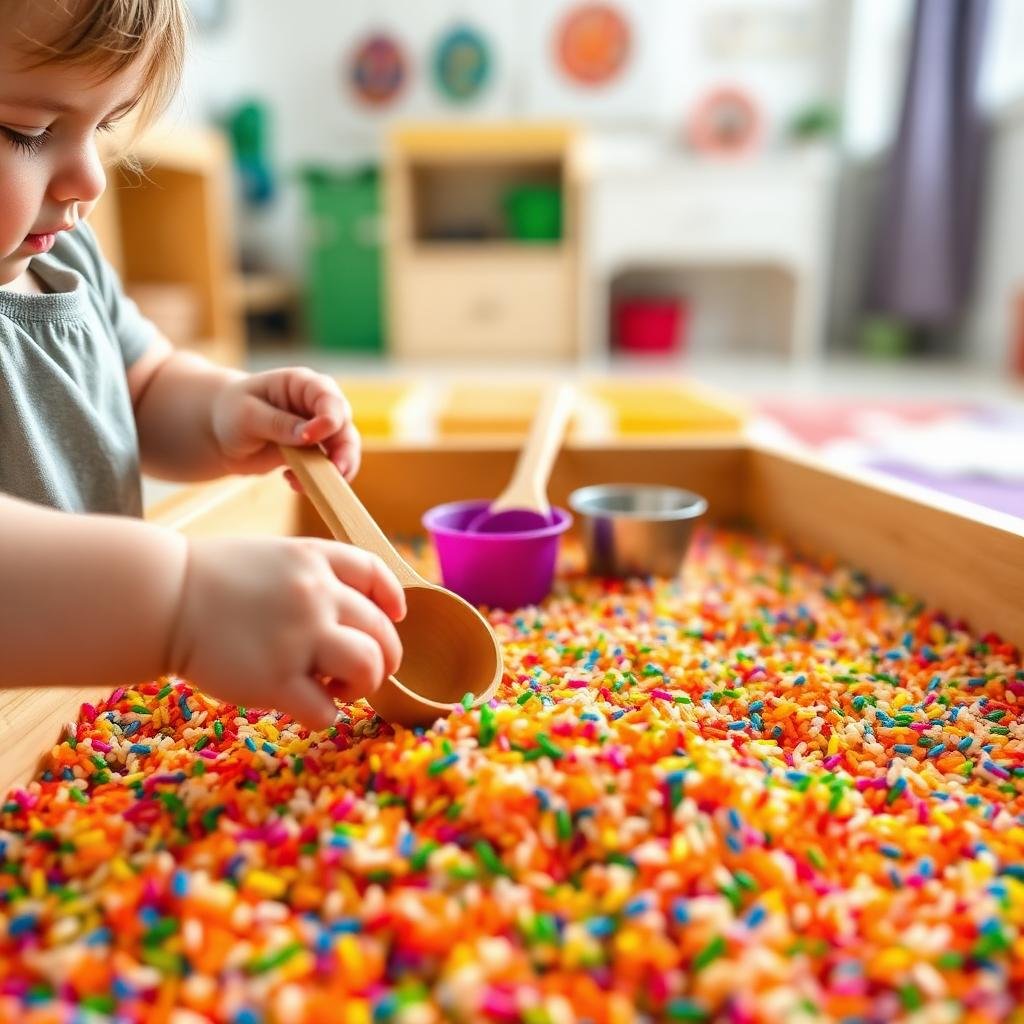
If you’ve ever watched your toddler spend 20 minutes happily scooping rice, squishing play dough, or pouring water between cups, you’ve already seen the magic of sensory play.
As a former elementary teacher and a mom, I’ve learned that some of the best learning happens when children are simply exploring. Sensory activities encourage curiosity, creativity, problem-solving, language development, and fine motor skills—all while feeling like play instead of work.
The best part? You don’t need expensive supplies or elaborate setups. Many of the best sensory activities for toddlers use materials you probably already have at home.
If you’re also looking for toys that support learning through play, be sure to check out my Best Educational Toys for Toddlers guide, where I share my favorite teacher- and mom-approved learning toys for every stage of development.
What Is Sensory Play?
Sensory play is any activity that encourages children to explore using their senses.
This can include:
- Touch
- Sight
- Sound
- Smell
- Movement
Sensory play isn’t just about making a mess. It’s how toddlers investigate the world around them, solve problems, and develop important skills they’ll use throughout childhood.
Many Montessori-inspired toys encourage children to explore different textures and materials through open-ended play. For more ideas, visit my guide to 15 Best Montessori Toys for Toddlers.
Benefits of Sensory Activities for Toddlers
Sensory play supports many areas of development at the same time.
Fine Motor Skills
Scooping, pouring, pinching, squeezing, and picking up small objects strengthen the muscles children need for writing, dressing themselves, and using utensils.
Many sensory activities also help toddlers build important hand strength, coordination, and control. Try these [fine motor skills activities for toddlers] to encourage early learning through play.
Language Development
Sensory play creates natural opportunities to talk about textures, colors, sizes, and actions.
Problem-Solving
Toddlers experiment, test ideas, and discover what happens when they mix, pour, stack, or build.
Creativity
Open-ended materials encourage children to use their imagination and create their own play experiences.
How to Create Sensory Activities at Home
You don’t need a Pinterest-perfect setup to create meaningful sensory experiences.
Some of my favorite materials include:
- Rice
- Dry pasta
- Water
- Ice
- Play dough
- Kinetic sand
- Leaves
- Rocks
- Pom-poms
- Measuring cups
- Scoops
Always supervise sensory play and choose materials that are appropriate for your child’s age.
My Favorite Sensory Toys/Tools
| Product | Best For | Skills Developed |
|---|---|---|
| Kinetic Sand Kit | Creative sensory play | Creativity & fine motor skills |
| Rice sensory Kit | Creative sensory play | Creativity & fine motor skills |
| Sensory Bin | Open-ended exploration | Imagination |
| Sensory Bin Storage | creating sensory kits | Imagination |
| Scoop & Pour Tool Set | Scooping activities | Hand strength |
| Play Dough Tool Set | Pinching & rolling | Fine motor development |
| Water Table | Outdoor sensory play | Exploration |
| Sensory Bottles | Calm play | Focus |
| Toy Animals | Pretend sensory bins | Language development |
25 Sensory Activities for Toddlers
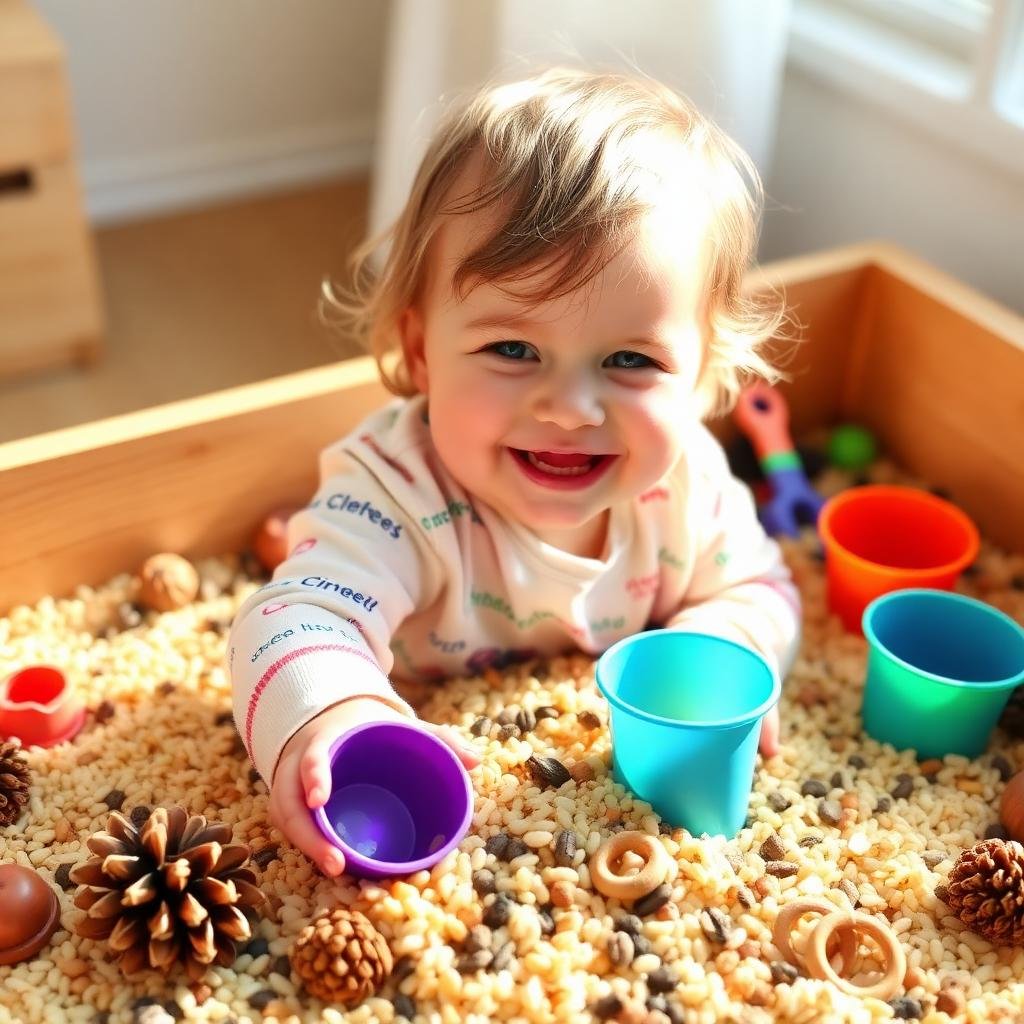
1. Rice Sensory Bin
Fill a shallow bin with uncooked rice and add scoops, cups, funnels, or toy animals.
Skills Developed
- Fine motor skills
- Hand-eye coordination
- Imaginative play
Favorite Supplies
- Sensory bin
- Toddler scoop set
- Toy animals
2. Colored Pasta Bin
Dyed pasta adds bright colors and new textures for sorting and scooping.
3. Farm Sensory Bin
Add toy farm animals, dried corn, and small tractors.
4. Construction Sensory Bin
Combine kinetic sand with toy construction vehicles.
5. Nature Sensory Bin
Collect leaves, pinecones, sticks, rocks, and flowers during a nature walk.
Fine Motor Sensory Activities
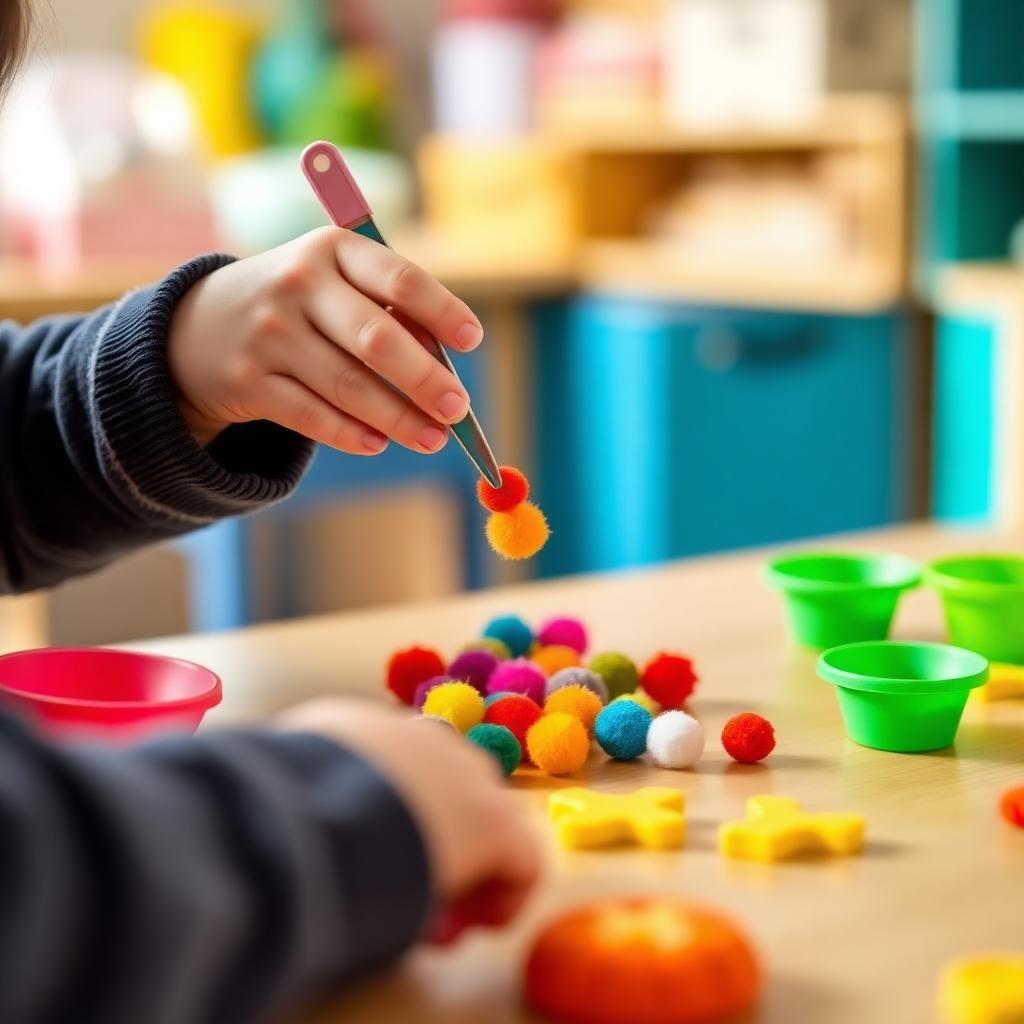
6. Pom-Pom Sorting
Sort colorful pom-poms using child-sized tweezers.
7. Scooping and Pouring Station
Transfer beans or rice between bowls using measuring cups.
8. Water Transfer Activity
Use turkey basters, droppers, or small cups to move water.
9. Play Dough Invitation
Provide cookie cutters, rolling pins, and plastic scissors.
10. Sticker Sensory Art
Peeling and placing stickers strengthens little fingers.
Related Reading: If you’re looking for more activities that strengthen little hands, visit my Fine Motor Skills Activities for Toddlers guide.
Messy Sensory Play
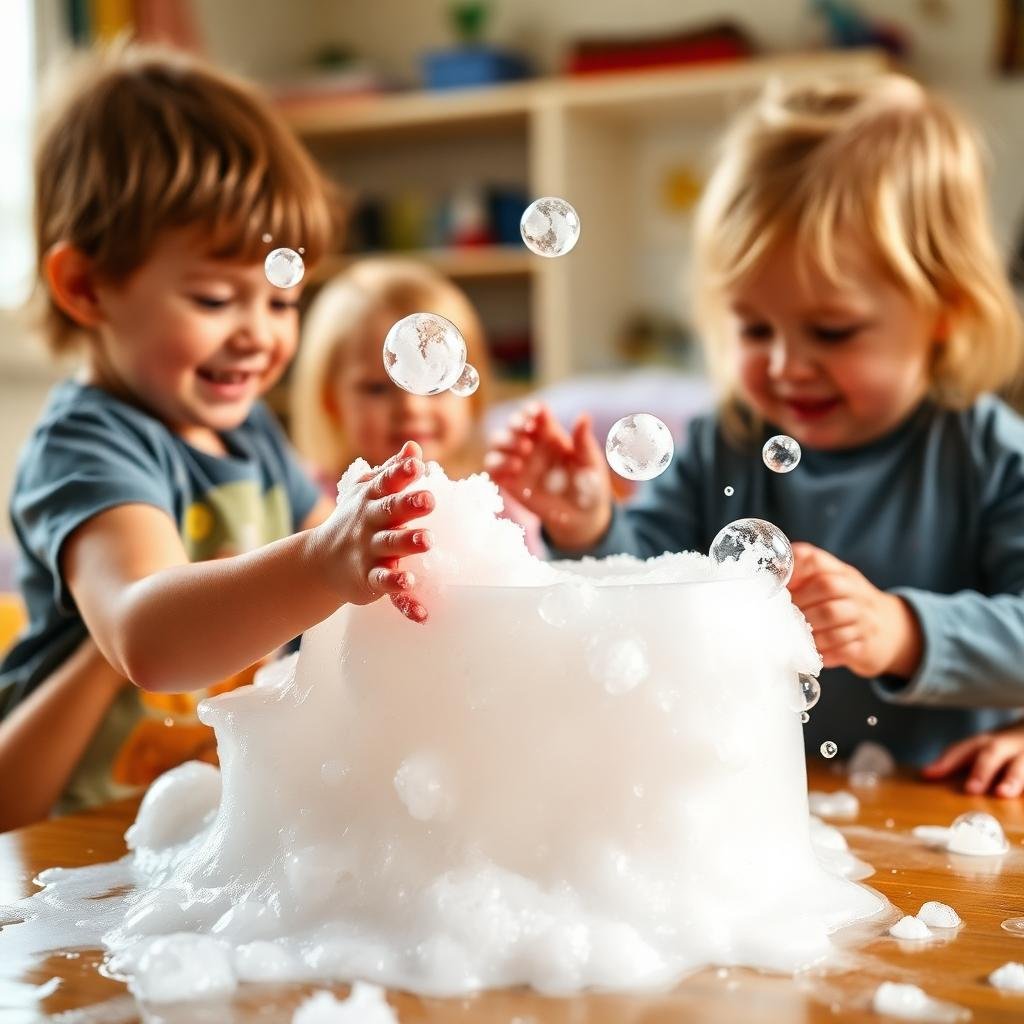
11. Kinetic Sand Exploration
Hide small toys for children to discover.
12. Bubble Foam Play
Create colorful foam using tear-free soap and water.
13. Oobleck
Mix cornstarch and water to create a fascinating sensory experience.
14. Shaving Cream Writing
Practice drawing shapes and lines.
15. Ice Rescue
Freeze small toys inside ice and let children rescue them using warm water.
Water Sensory Activities
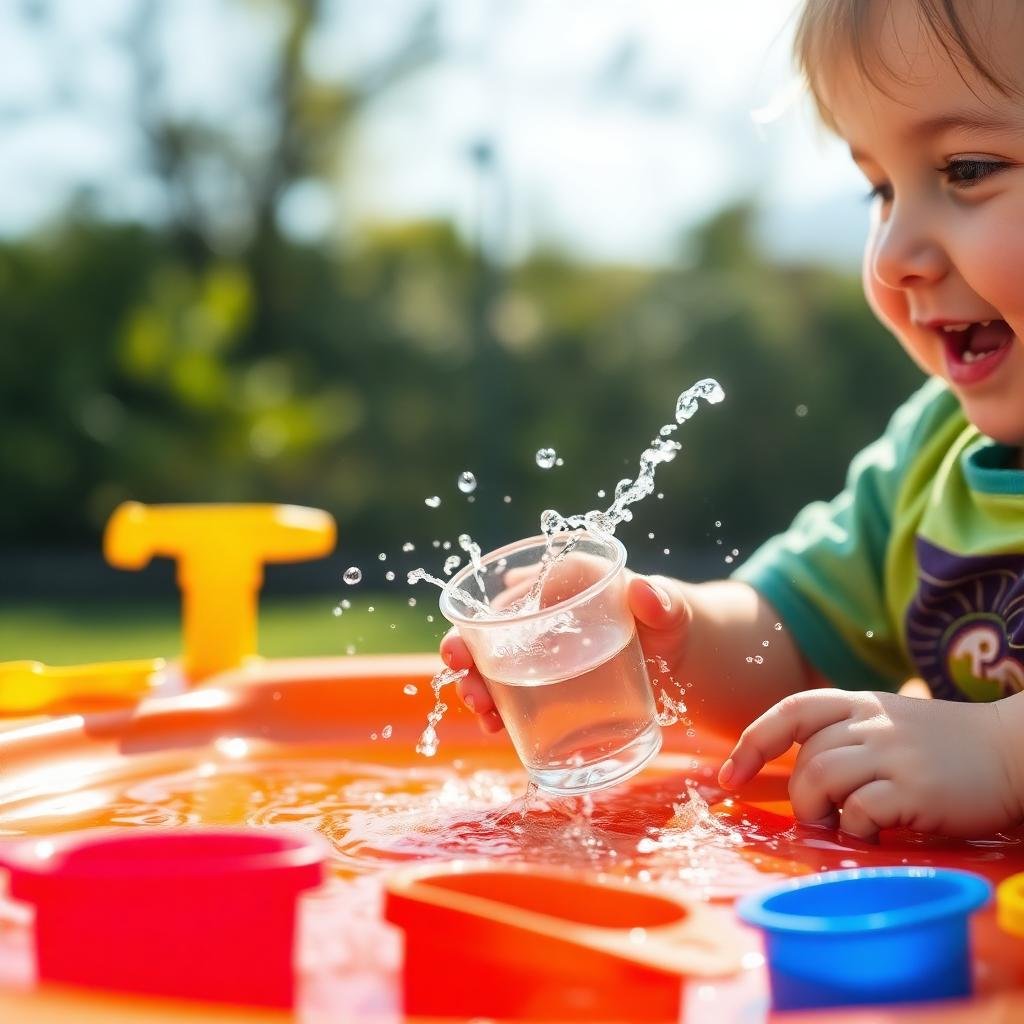
16. Wash Toy Animals
Scrub plastic animals with sponges and soap.
17. Sponge Squeezing
Transfer water using colorful sponges.
18. Bubble Washing Station
Wash toy cars or dolls.
19. Floating and Sinking
Predict which objects will float before testing them.
20. Pouring Practice
Use pitchers, measuring cups, and funnels.
Calm Sensory Activities
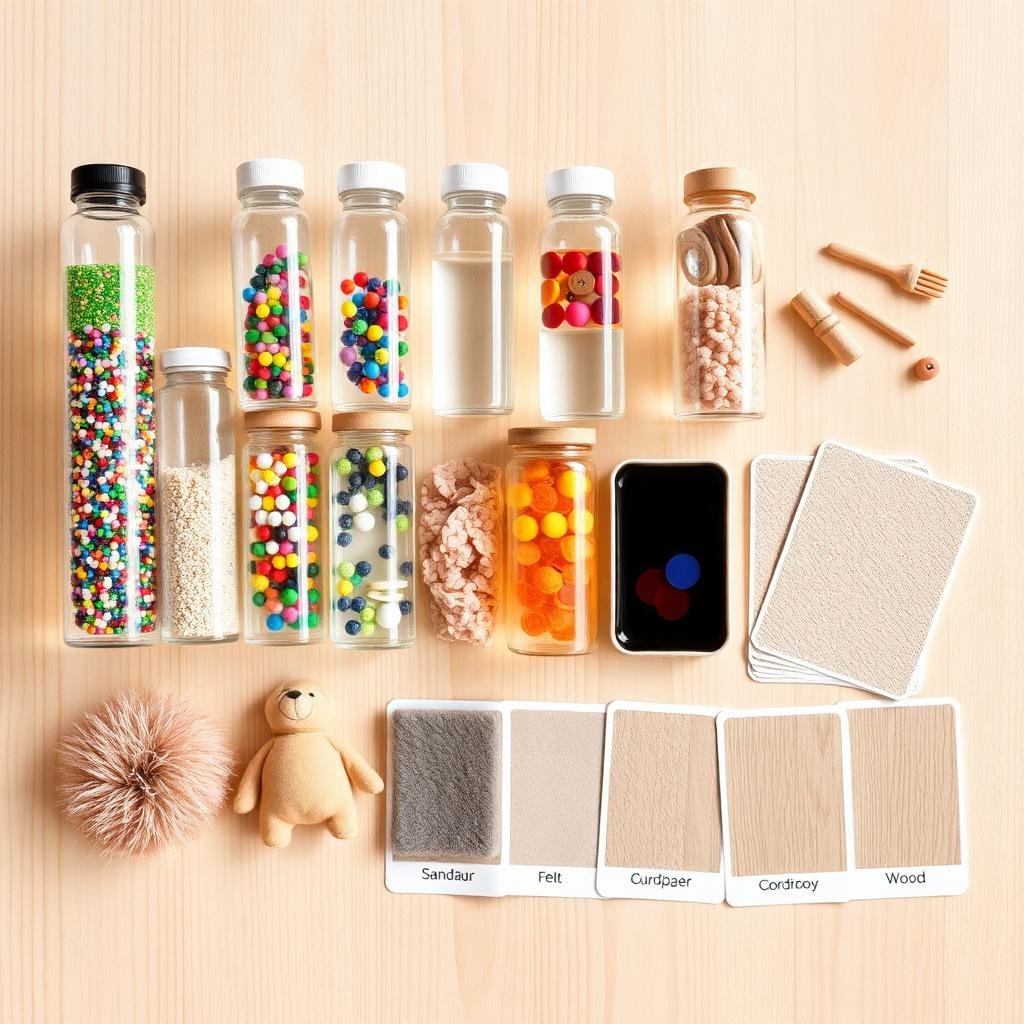
21. Sensory Bottles
Fill clear bottles with glitter, beads, or colored water.
22. Texture Matching
Explore different fabrics and materials.
23. Play Dough Mats
Roll, flatten, and shape dough on reusable mats.
24. Touch-and-Feel Books
Read interactive books with different textures.
25. Quiet Sensory Basket
Fill a basket with soft balls, textured toys, silicone brushes, and fidget toys.
Frequently Asked Questions
What are the best sensory activities for toddlers?
Simple activities like rice bins, water play, play dough, kinetic sand, and nature bins provide wonderful opportunities for learning through play.
What age should toddlers start sensory play?
Many sensory activities can begin around 12 months with close supervision. As children grow, you can introduce more complex materials and tools.
Are sensory activities good for toddler development?
Yes! Sensory play supports fine motor skills, language development, creativity, problem-solving, and independent exploration.
Do I need expensive sensory toys?
Not at all. Many of the best sensory activities use everyday household materials like rice, water, cups, spoons, and cardboard boxes.
Final Thoughts
Sensory play doesn’t have to be complicated to be meaningful.
Whether your toddler is scooping rice, building with kinetic sand, exploring water, or creating with play dough, they’re strengthening important developmental skills while doing what children do best—playing.
As a mom and former teacher, I believe learning happens naturally when children are given opportunities to explore, imagine, and create. Start with one or two simple activities, follow your child’s interests, and enjoy watching their confidence grow.
If you’re building a play-based learning environment at home, don’t forget to explore my Best Educational Toys for Toddlers guide for even more teacher-approved toy recommendations that support learning through play.