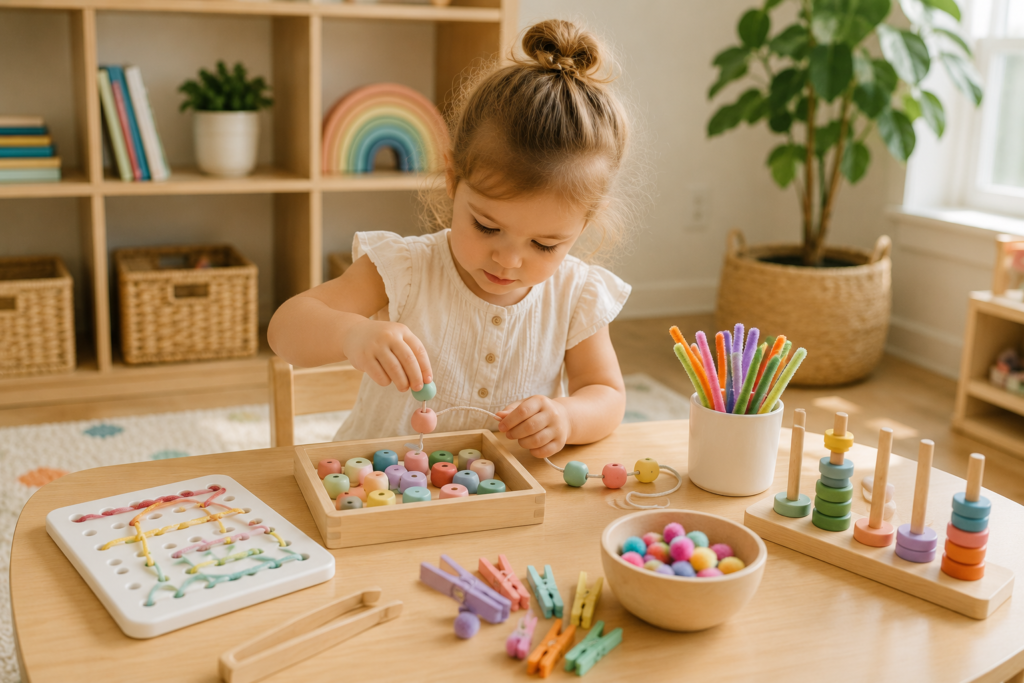
Fine motor skills are some of the most important skills toddlers develop, but many parents don’t realize they’re being built during everyday play.
As a former elementary teacher and a mom, I’ve seen how activities that seem simple—like threading beads, stacking blocks, or peeling stickers—can strengthen the small muscles in a child’s hands and fingers. Those muscles are essential for everyday tasks like holding a crayon, using scissors, buttoning clothes, feeding themselves, and eventually learning to write.
The good news? You don’t need expensive therapy tools or complicated lessons. Most fine motor development happens through fun, hands-on play.
In this guide, I’ll share my favorite fine motor skills activities for toddlers, along with a few teacher-approved toys that make practicing these skills even more engaging.
Looking for even more toy ideas? Don’t miss my complete guide to the Best Educational Toys for Toddlers, where I share my favorite learning toys for language development, STEM, creativity, sensory play, and fine motor development.
What Are Fine Motor Skills?
Fine motor skills involve the small muscles in the hands, fingers, and wrists. These muscles help children complete everyday tasks like:
- Holding a crayon
- Turning book pages
- Building with blocks
- Using utensils
- Zipping coats
- Buttoning shirts
- Picking up small objects
- Writing later in school
Children build these skills gradually through repeated opportunities to grasp, pinch, twist, squeeze, stack, and manipulate objects.
That’s why play is so powerful—it naturally strengthens these muscles without children feeling like they’re practicing.
Why Fine Motor Skills Matter
Strong fine motor skills help children become more independent and confident.
When toddlers develop hand strength and coordination, they’re better able to:
- Feed themselves
- Dress themselves
- Complete puzzles
- Draw and color
- Build with toys
- Participate in art activities
- Prepare for preschool and kindergarten
Every small activity adds up over time.
25 Fine Motor Skills Activities for Toddlers
1. Lacing Beads ⭐ My Favorite
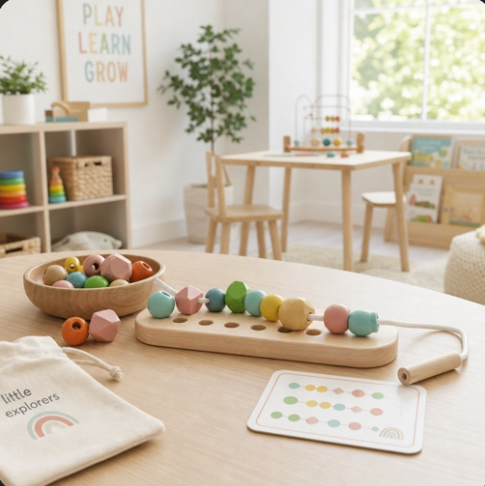
Lacing beads are one of my favorite fine motor activities because they strengthen hand muscles while improving hand-eye coordination and concentration.
Children practice guiding a string through each bead, which requires both hands to work together.
Skills Developed
- Bilateral coordination
- Hand strength
- Finger control
- Concentration
Recommended Toy: Melissa & Doug Deluxe Wooden Lacing Beads
Wooden lacing beads are one of my favorite Montessori-inspired toys because they build coordination, concentration, and hand strength. You can discover more teacher-approved picks in my 15 Best Montessori Toys for Toddlers guide.
2. Building Wooden Blocks
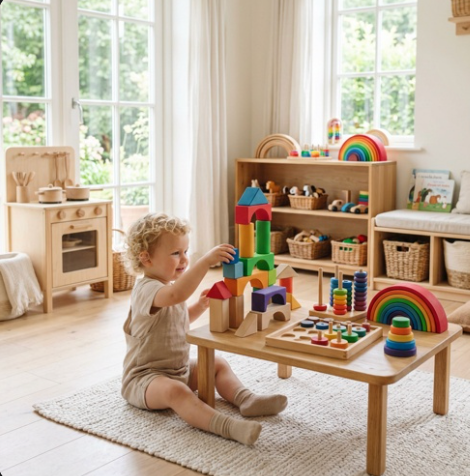
Building towers helps toddlers carefully grasp, balance, and place each block.
As towers fall, children naturally learn problem-solving and persistence.
Recommended Toy: Wooden Building Blocks
3. Build with Magnetic Tiles

Magnetic tiles encourage toddlers to carefully connect pieces while building imaginative creations.
This activity combines fine motor practice with early STEM learning.
Recommended Toy: Magnetic Tiles Magnetic 3D Building Blocks
4. Roll and Cut Play Dough
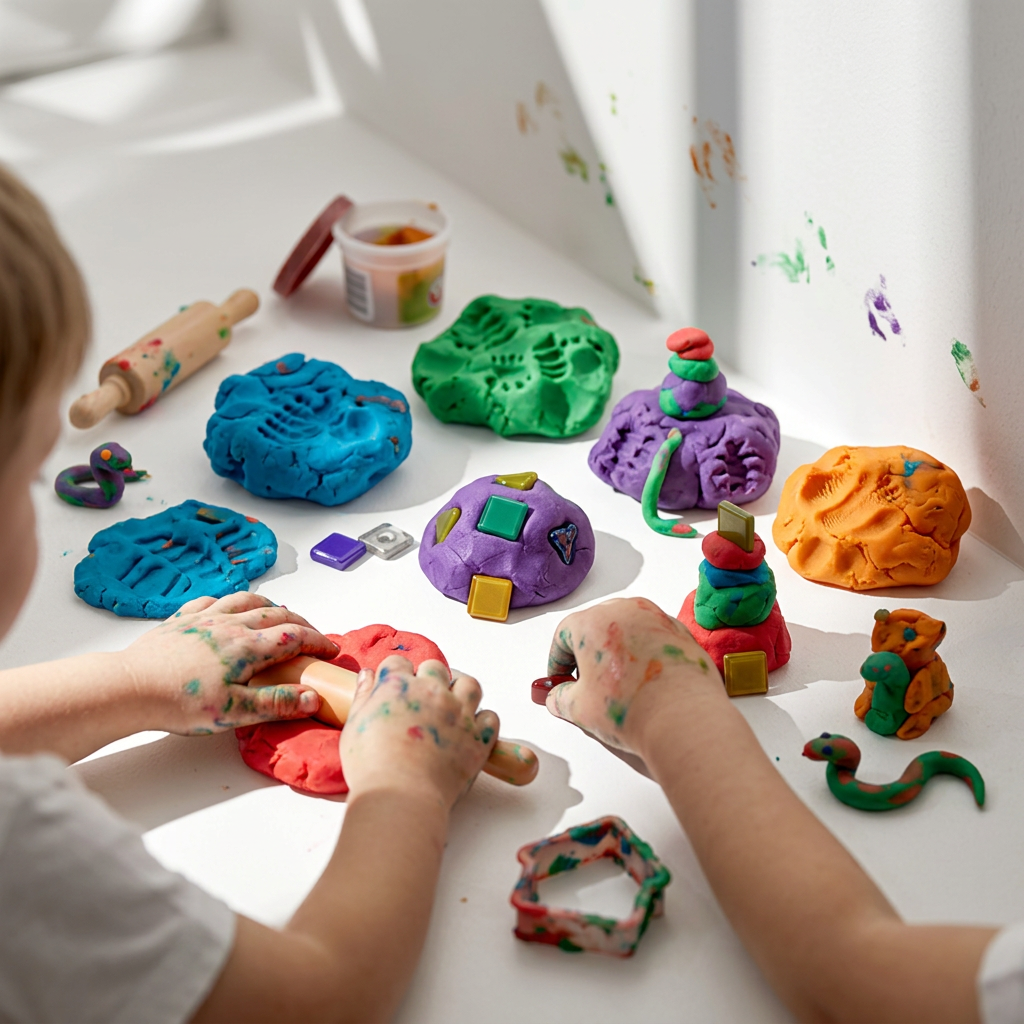
Rolling, squeezing, pinching, flattening, and cutting play dough provides an incredible workout for little hands.
Add plastic scissors, rollers, and cookie cutters for even more skill building.
Recommended Toy: Play dough tool set.
5. Peel and Stick Stickers
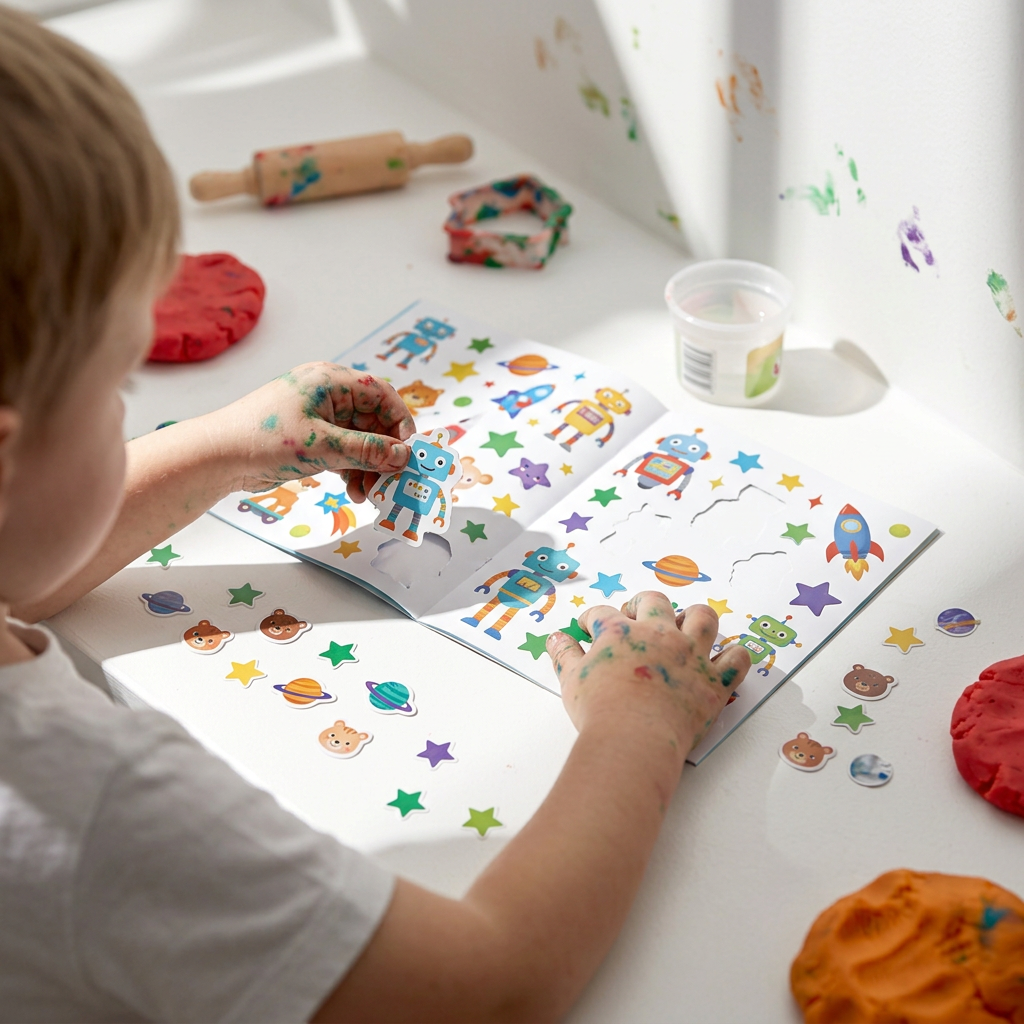
Peeling stickers from a sheet requires excellent finger control.
Have toddlers decorate paper, cardboard, or homemade scenes.
6. Use Toddler learning Tongs
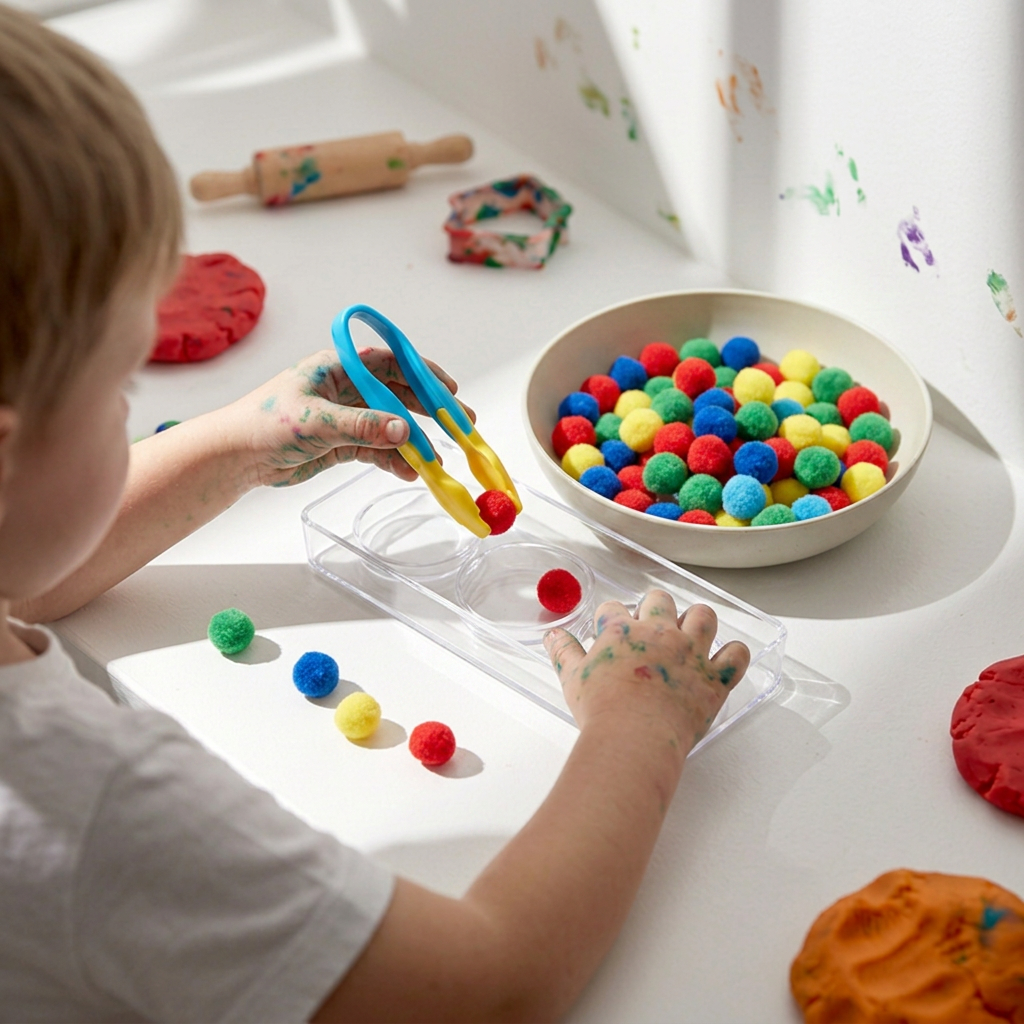
Pick up pom-poms, cotton balls, or small toys using child-sized tongs.
This strengthens the same finger muscles children use when learning to write.
Recommended Toy: Toddler learning tongs.
7. Complete Wooden Puzzles
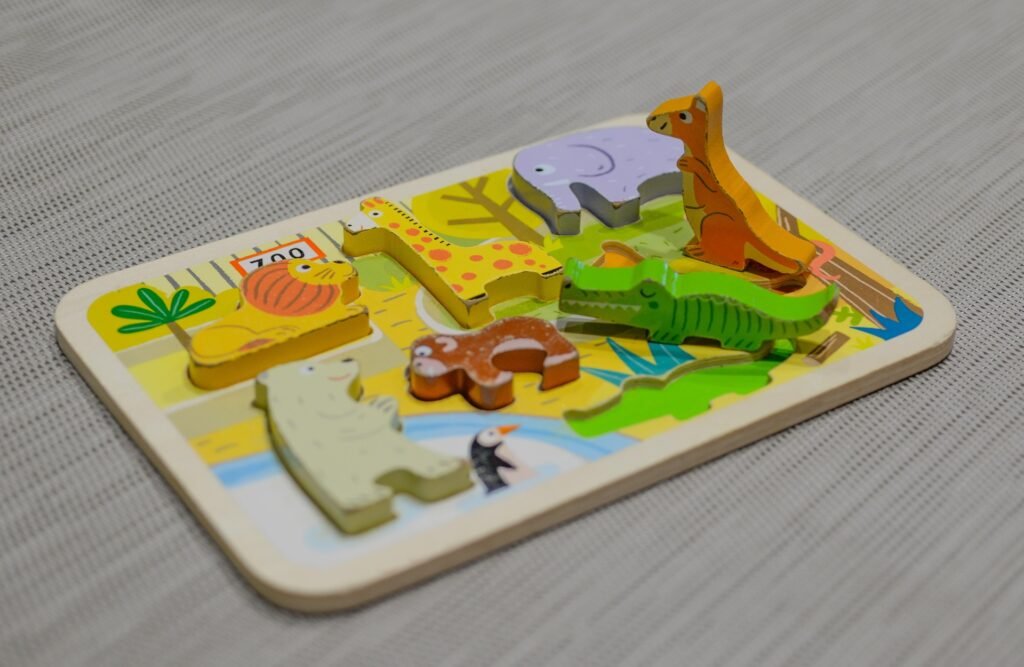
Chunky wooden puzzles help toddlers develop finger strength while encouraging problem-solving and visual discrimination.
8. Open and Close Clothespins
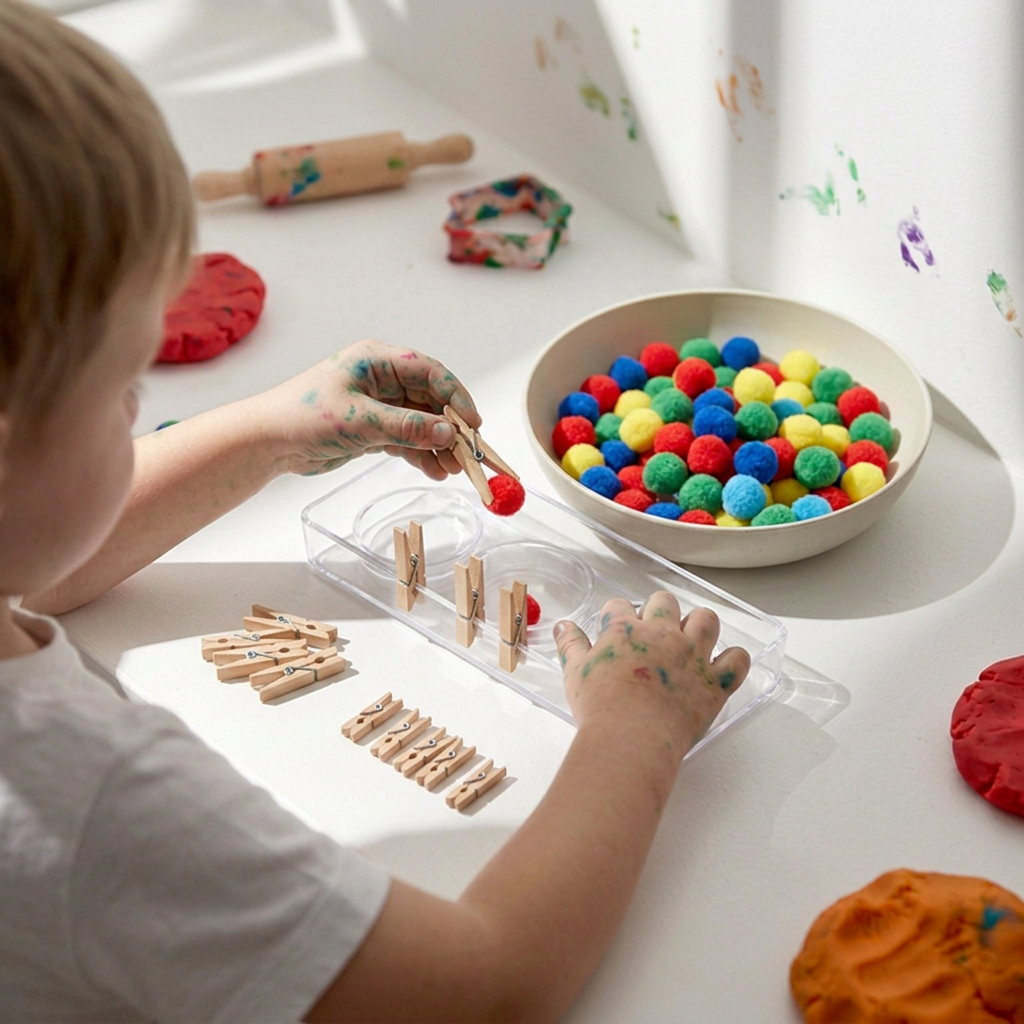
Attach clothespins around the edge of a container or cardboard box.
This simple activity strengthens the thumb and pointer finger.
9. String Cereal Necklaces
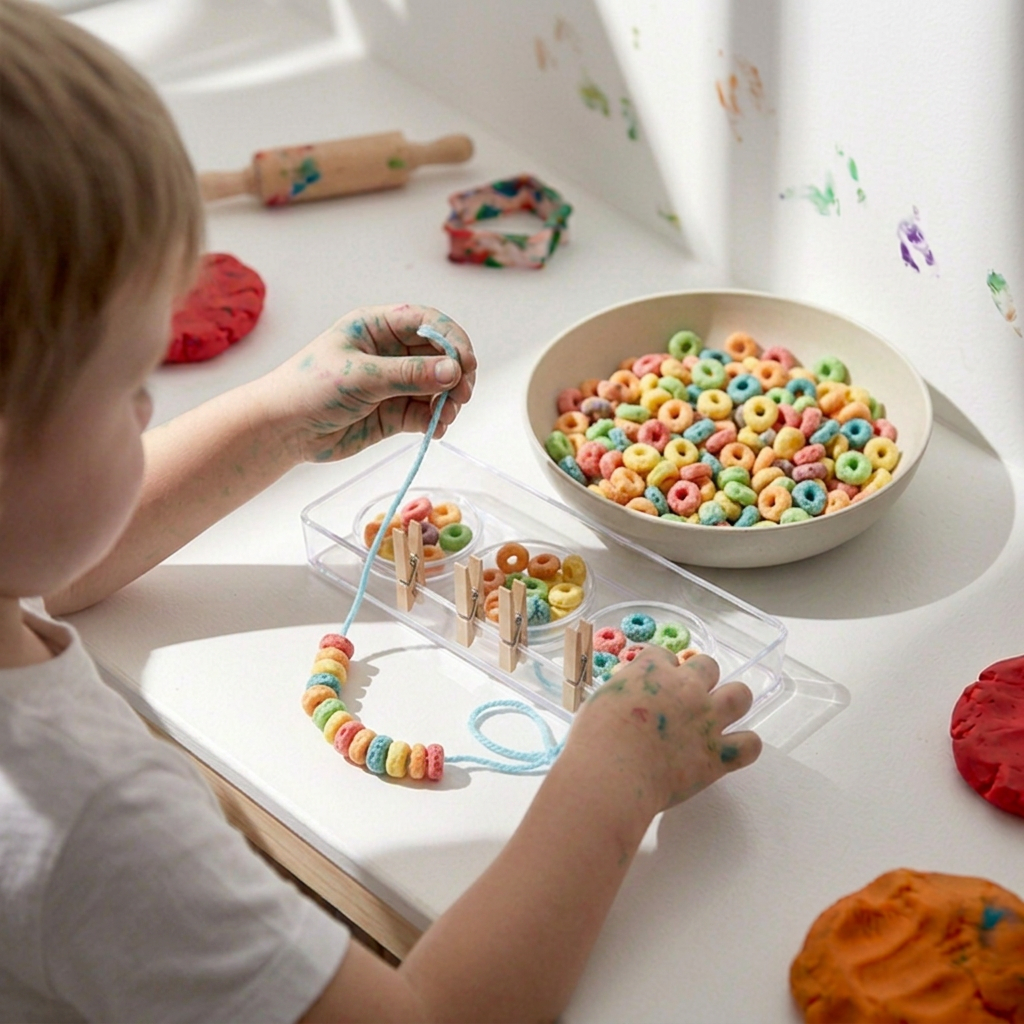
Thread cereal onto yarn for a snack and activity in one.
10. Tear Construction Paper
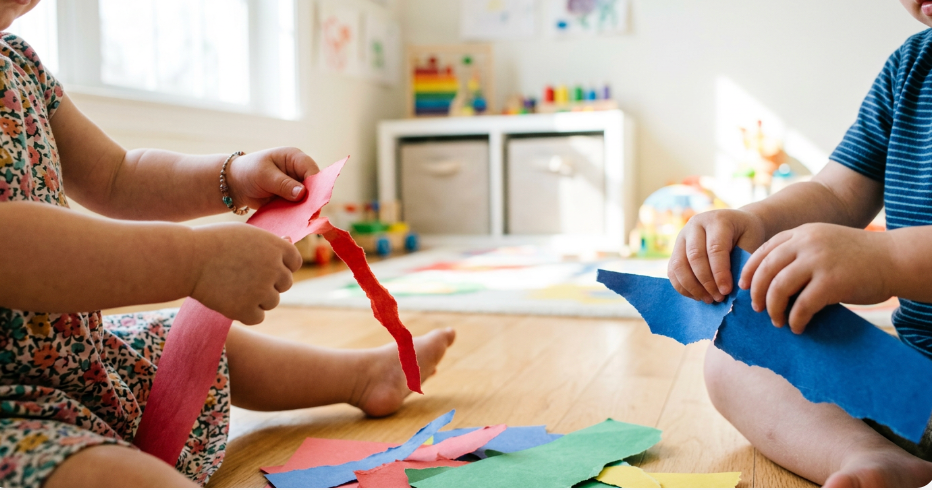
Tearing paper may seem messy, but it’s wonderful for strengthening both hands.
11. Spray Plants with a Spray Bottle
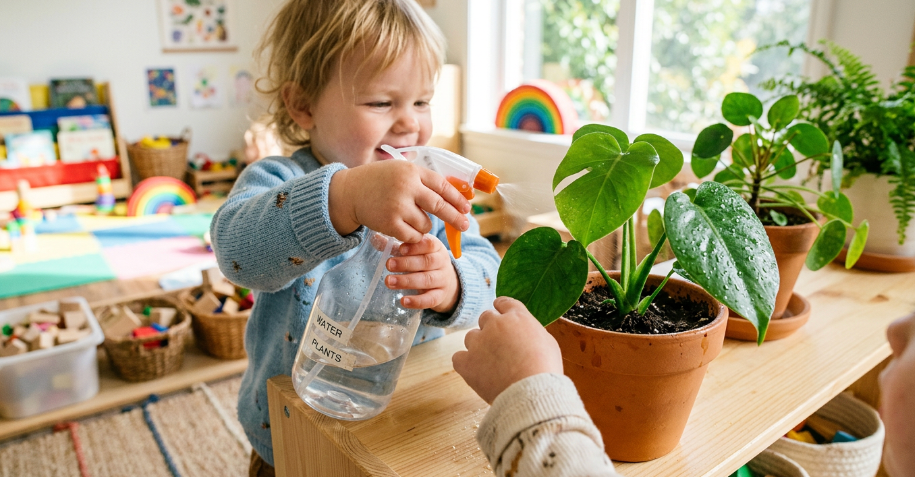
Watering flowers becomes a hand-strengthening activity while teaching responsibility.
12. Scoop and Pour Rice
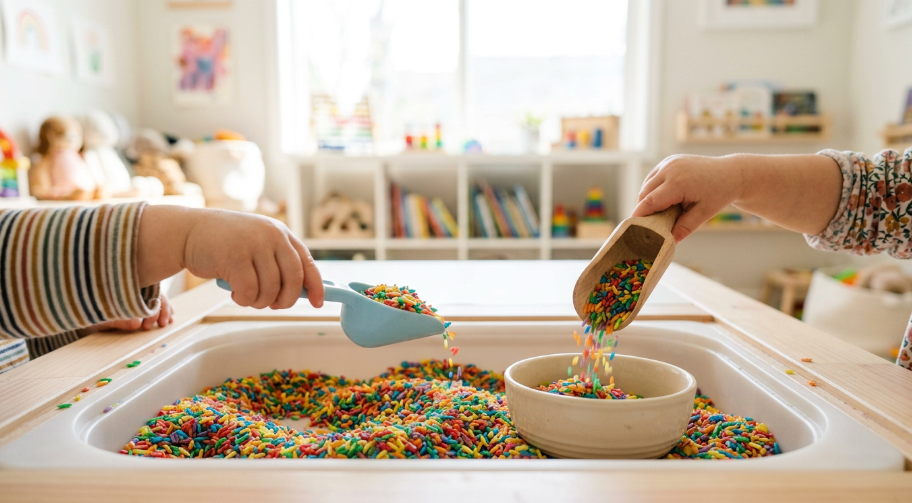
Practice pouring dry rice between cups using measuring spoons and funnels.
Many fine motor activities also provide sensory input that helps toddlers explore textures, strengthen hand muscles, and build confidence through play. For more ideas that encourage learning through the senses, check out these Sensory Activities for Toddlers.
13. Tape Rescue Activity
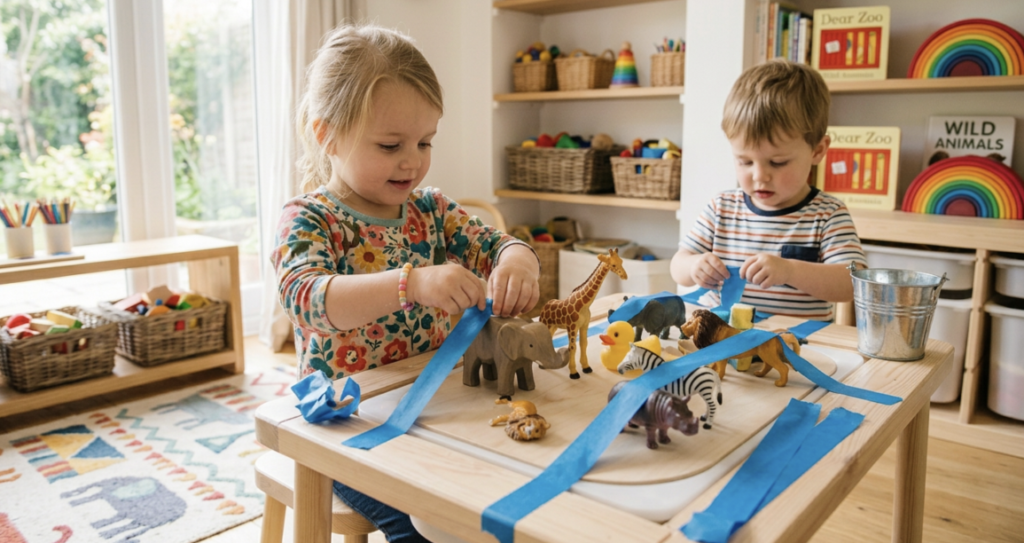
Place painter’s tape across toys and let toddlers peel it away.
14. Stack Plastic Cups
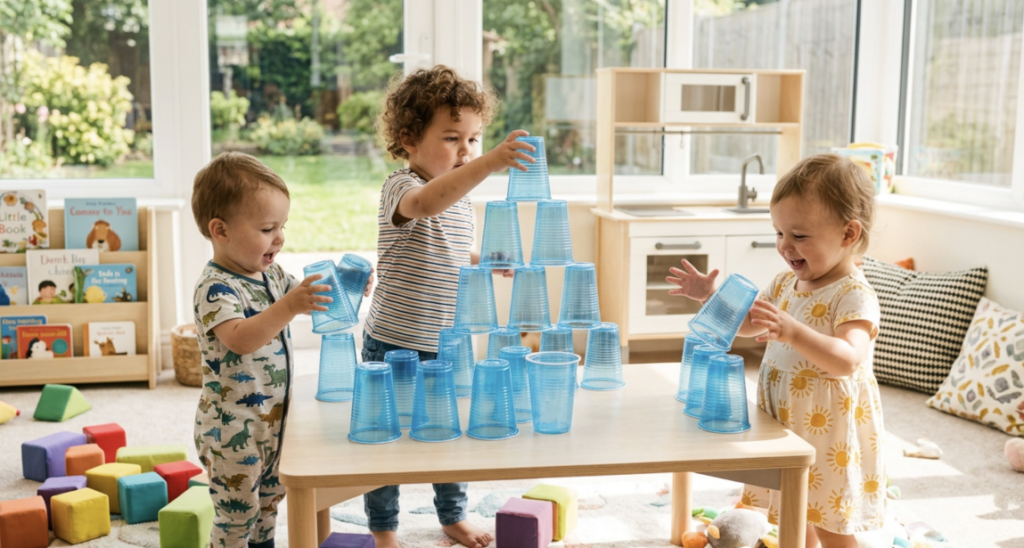
Challenge your toddler to build the tallest tower possible.
15. Sort Buttons by Color
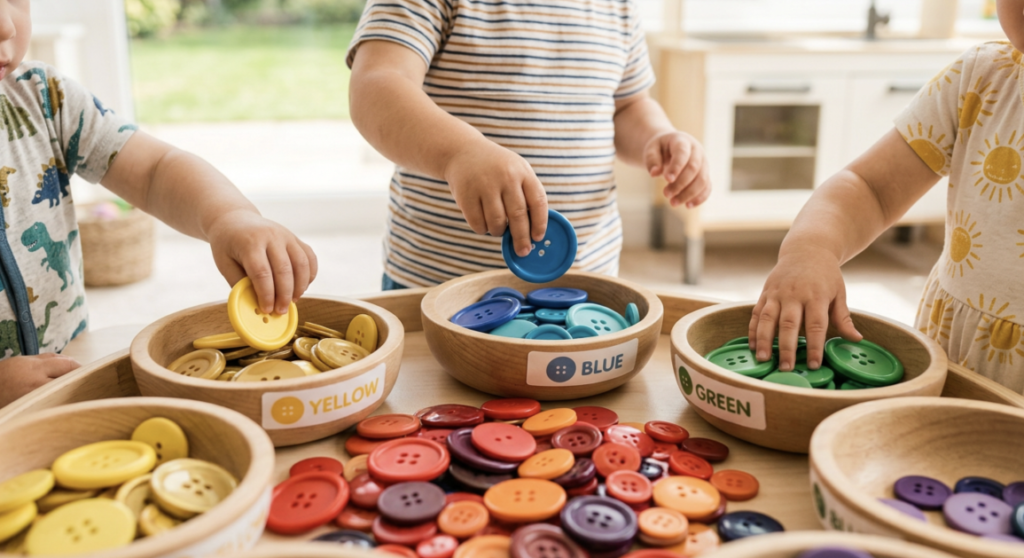
Use large buttons under supervision or substitute large pom-poms for younger toddlers.
Recommended toy: Counting Animals Montessori Toys
16. Use a Busy Board
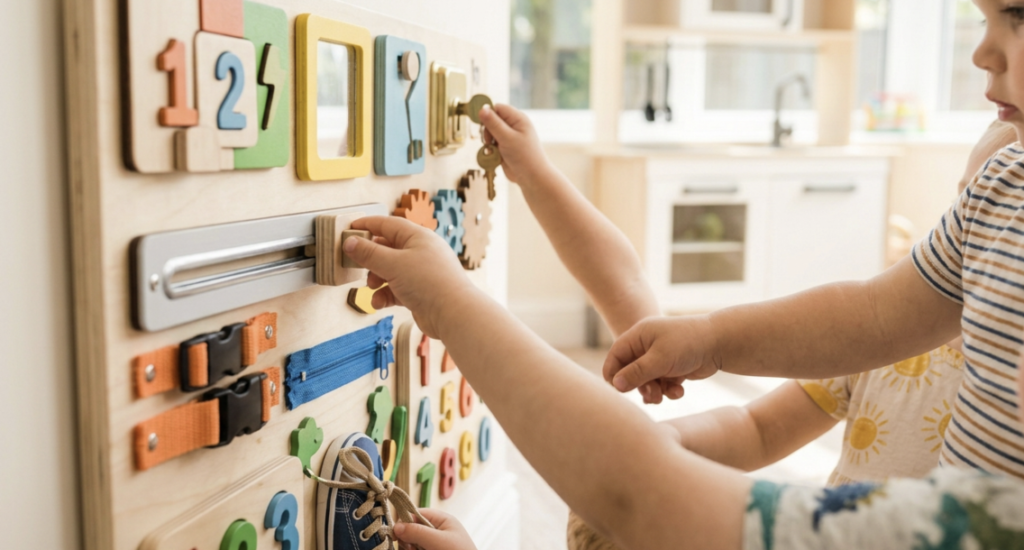
Buttons, buckles, zippers, snaps, and locks all strengthen fine motor control.
Recommended Toy: Montessori Busy Board.
17. Pick Up Objects with Tweezers
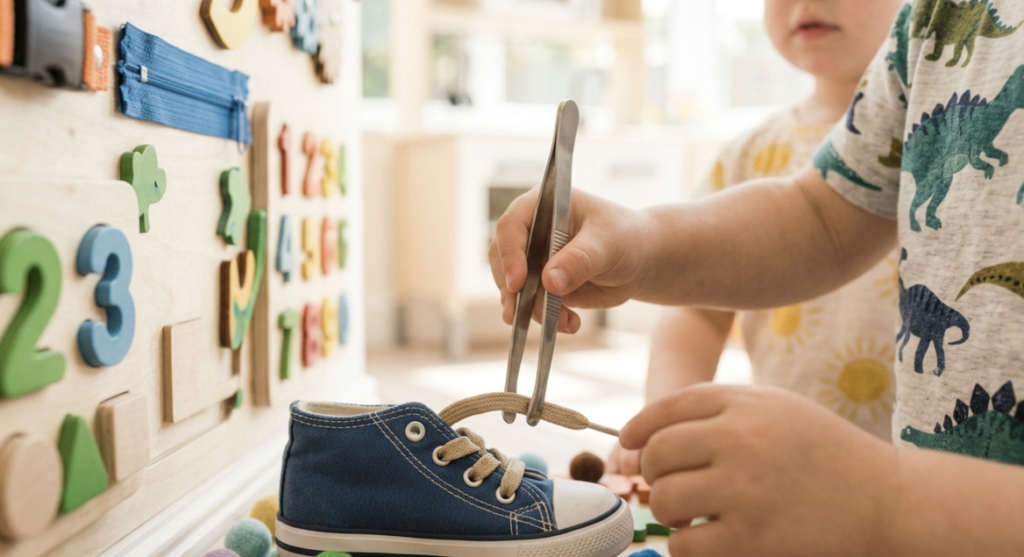
Transfer pom-poms, cotton balls, or toy bugs into bowls.
18. Finger Painting

Finger painting encourages children to isolate finger movements while exploring creativity.
19. Wash Toy Animals
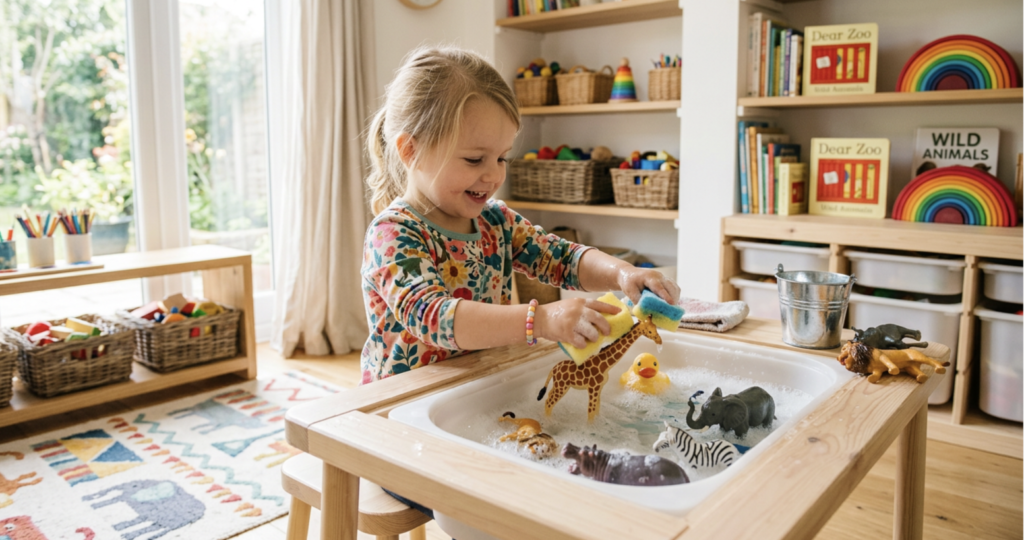
Use a sponge, scrub brush, and water to clean plastic animals.
20. LEGO DUPLO Blocks
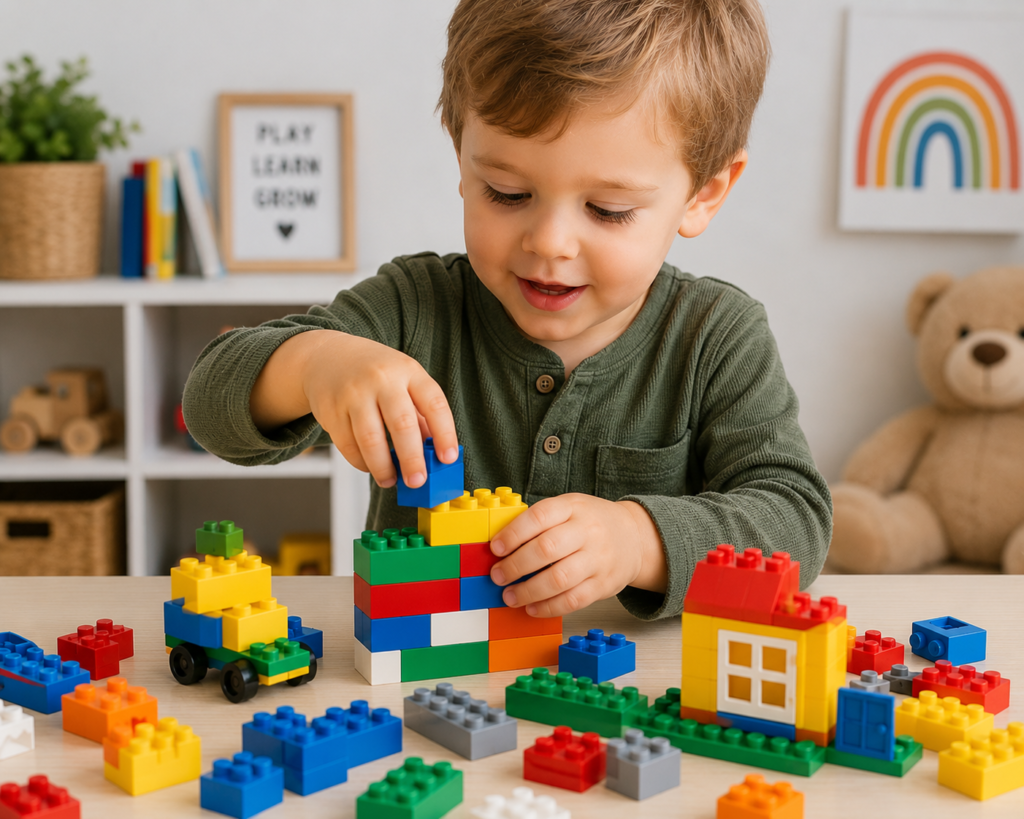
Large bricks require toddlers to push pieces together and pull them apart.
21. Push Coins into a Piggy Bank
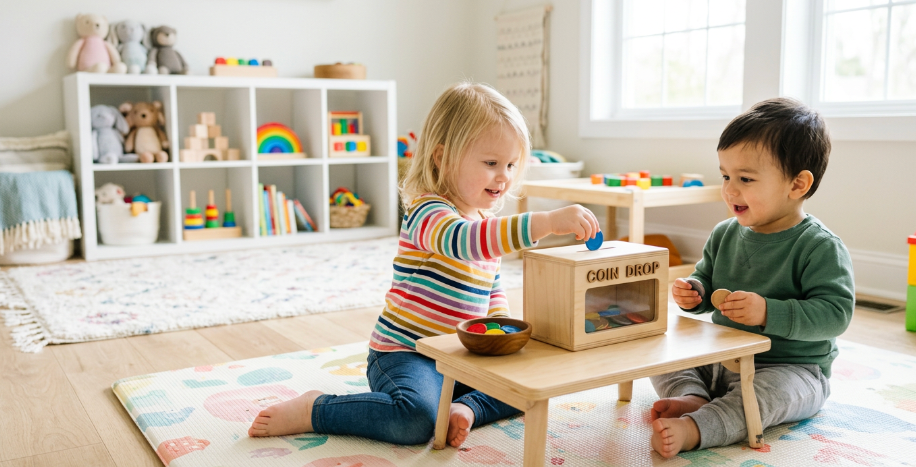
Dropping coins through a slot builds finger precision.
22. Crumple Paper
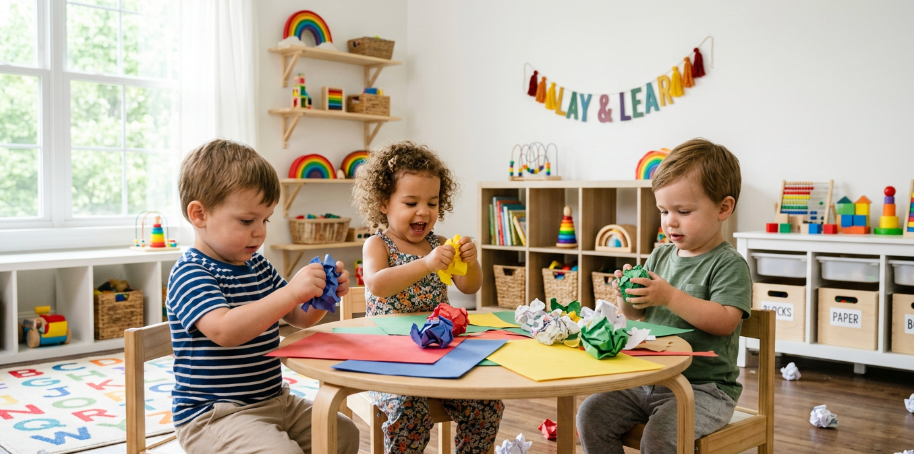
Challenge children to crumple paper into tight balls before tossing them into a basket.
23. Transfer Water with a Turkey Baster
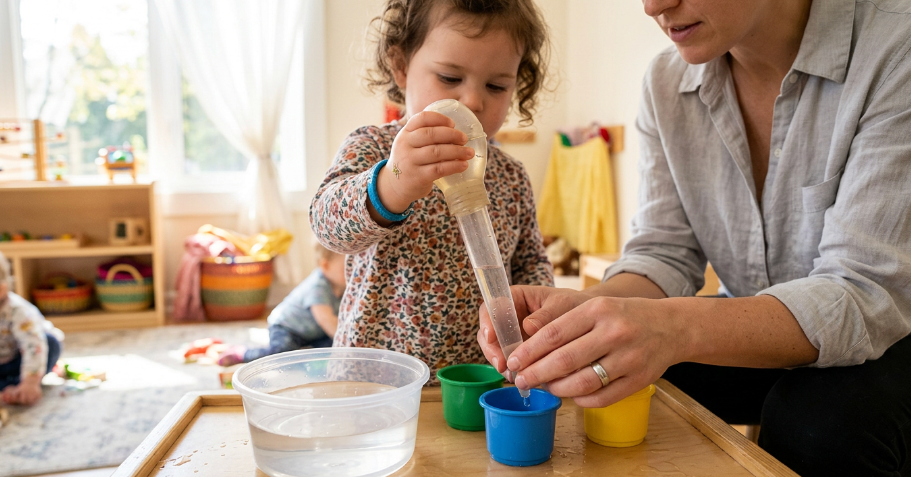
Squeezing the bulb strengthens the entire hand.
24. Make Dot Marker Art
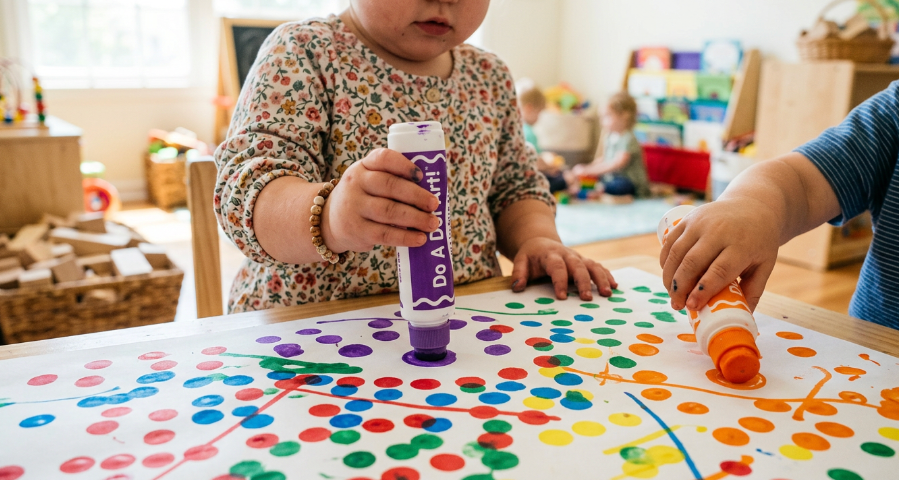
Dot markers encourage controlled hand movements while creating colorful pictures.
25. Create Nature Collages
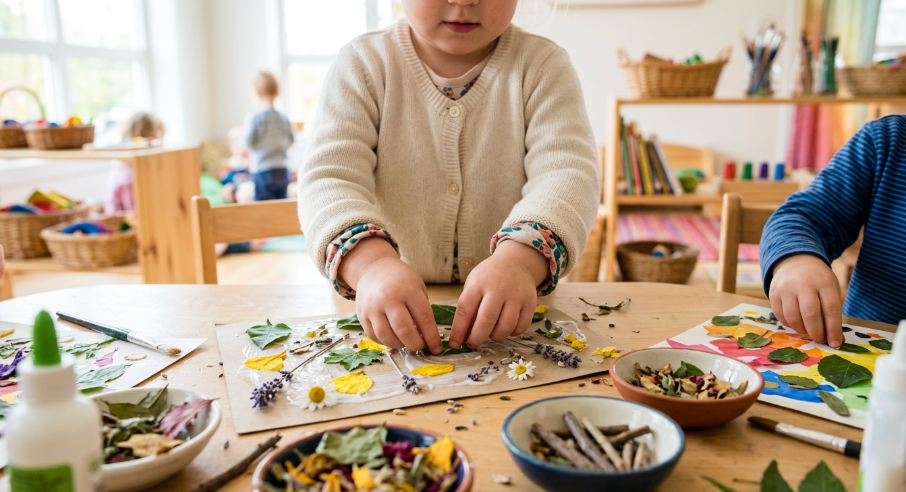
Glue leaves, sticks, flowers, and small natural objects onto paper for a fun outdoor fine motor activity.
My Favorite Fine Motor Toys
While everyday household items work wonderfully, a few toys make practicing these skills even more fun.
- ⭐ Large Wooden Lacing Beads
- Magnetic Building Tiles
- Wooden Blocks
- Montessori Busy Board
- Play Dough Tool Set
- Wooden Puzzles
- Child-Sized Tongs
- LEGO DUPLO Blocks
If you’re looking to build a playroom that supports every area of development—not just fine motor skills—take a look at my Best Educational Toys for Toddlers guide, where I share my favorite teacher- and mom-approved learning toys across multiple developmental categories.
Frequently Asked Questions
What are fine motor skills?
Fine motor skills are the small movements children make using the muscles in their hands and fingers. These skills are essential for writing, dressing, eating, drawing, and many everyday activities.
What is the best fine motor activity for toddlers?
Threading large lacing beads is one of my favorite activities because it builds hand strength, coordination, concentration, and problem-solving skills all at once.
What toys improve fine motor skills?
Some of the best toys include:
- Large Wooden Lacing Beads
- Magnetic Building Tiles
- Wooden Blocks
- Montessori Busy Board
- Play Dough Tool Set
- Wooden Puzzles
- Child-Sized Tongs
- LEGO DUPLO Blocks
At what age should toddlers practice fine motor skills?
Fine motor development begins in infancy and continues throughout childhood. Toddlers naturally strengthen these skills through everyday play and exploration.
Final Thoughts
Fine motor skills don’t develop from worksheets or drills—they develop through meaningful play.
Whether your toddler is threading beads, squeezing play dough, stacking blocks, or peeling stickers, each activity helps strengthen the muscles they’ll use for years to come.
As a parent, remember that the goal isn’t perfection. It’s giving your child plenty of opportunities to explore, create, and build confidence through hands-on learning.
And if you’re looking for even more teacher-approved toy recommendations, be sure to explore my Best Educational Toys for Toddlers guide, where I share my favorite toys for fine motor skills, language development, STEM learning, creativity, and sensory play.